
You know that breakfast you order at a brunch spot, the one that makes you go completely quiet because it’s just that good? This is that breakfast, except you can make it at home in about 20 minutes.
I’ll be honest: I avoided making French toast for years because I assumed it was just soggy bread with egg on it. I had a bad experience at a diner once and kind of gave up on the whole thing. Then a friend made it for me using brioche and a proper custard soak, and I basically wanted to cry.
It was nothing like what I remembered. It was thick, custardy, golden on the outside, soft in the middle, and paired with fresh berries and a drizzle of real maple syrup, it felt borderline indulgent for a Tuesday morning.
This recipe is that version. The one that actually delivers.
What You’ll Need
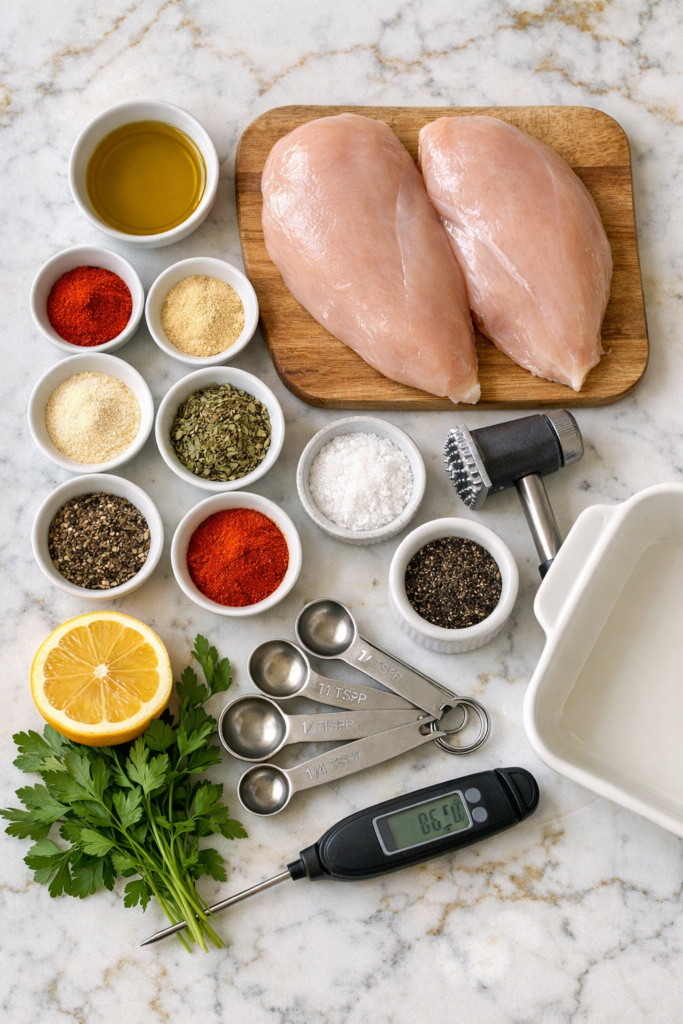
Ingredients
- 4 thick slices of brioche bread (about 1 inch thick; day-old works perfectly)
- 3 large eggs
- ¾ cup whole milk
- ¼ cup heavy cream
- 2 tablespoons granulated sugar
- 1 teaspoon pure vanilla extract
- 1 teaspoon ground cinnamon
- ¼ teaspoon freshly grated nutmeg
- Pinch of salt
- 2 tablespoons unsalted butter (for the pan)
Toppings (optional but strongly encouraged)
- Pure maple syrup
- Fresh strawberries, blueberries, or raspberries
- Powdered sugar
- Whipped cream
Tools You’ll Need
- Large shallow dish or baking dish (for soaking the bread)
- Whisk
- Large skillet or griddle (cast iron works best)
- Spatula
- Measuring cups and spoons
- Microplane or fine grater (for the nutmeg)
Pro Tips
Tip 1: Use day-old bread. Fresh brioche is a little too soft and will fall apart in the custard. Bread that’s been sitting out overnight absorbs the egg mixture without turning into mush. If you only have fresh bread, pop the slices in a 250°F (120°C) oven for 10 minutes to dry them out a bit.
Tip 2: Don’t rush the soak. Let each slice sit in the custard for at least 30 seconds per side. If your bread is especially thick, go up to a full minute per side. You want the custard to actually soak in, not just coat the surface.
Tip 3: Medium-low heat is your friend. High heat burns the outside before the inside has a chance to cook through. You want the butter to foam, not smoke. Medium-low gives you that deep golden crust without the sad burnt edges.
Tip 4: Clarified butter or a butter-oil mix holds up better. Regular butter can brown too fast. Mixing in just a tiny splash of neutral oil (like avocado or sunflower) keeps it from burning and gives you a more even color on the toast.
Tip 5: Keep finished slices warm in the oven. Set your oven to 200°F (93°C) and place cooked slices on a baking sheet while you finish the rest. They’ll stay perfectly warm and won’t get soggy sitting on the plate.
How to Make It

- Make the custard. In your shallow dish, whisk together the eggs, whole milk, heavy cream, sugar, vanilla extract, cinnamon, nutmeg, and a pinch of salt. Whisk until fully combined with no streaks of egg white visible.
- Soak the bread. Place a slice of brioche in the custard and let it sit for 30 to 60 seconds per side. It should feel slightly heavy and saturated, not falling apart. Set it aside on a plate and repeat with the remaining slices.
- Heat the skillet. Place your skillet over medium-low heat and add 1 tablespoon of butter. Let it melt completely and begin to foam. Once the foam starts to subside slightly, you’re ready to cook.
- Cook the first batch. Add 2 soaked slices to the skillet (don’t crowd them). Cook for 3 to 4 minutes on the first side without moving them, until a deep golden crust forms. Flip gently and cook another 2 to 3 minutes on the other side.
- Keep warm and repeat. Transfer cooked slices to your 200°F oven on a baking sheet. Add the remaining butter to the pan and cook the next batch the same way.
- Serve immediately. Plate the French toast and top with maple syrup, fresh berries, a dusting of powdered sugar, or all three. No judgment.
Substitutions and Variations
| Original | Swap | Notes |
|---|---|---|
| Brioche | Challah, Texas toast, sourdough | Challah is the closest in texture; sourdough gives a slight tang |
| Whole milk + heavy cream | Full-fat oat milk or coconut milk | Works well for dairy-free; oat milk is the mildest swap |
| Eggs | 3 tablespoons aquafaba per egg | Vegan option; texture will be slightly less custardy |
| Granulated sugar | Brown sugar, maple sugar, or honey | Brown sugar adds a slight caramel note |
| Cinnamon + nutmeg | Cardamom + orange zest | A fun twist that feels a little fancy |
| Butter | Coconut oil | Adds a subtle sweetness; works for dairy-free versions |
Fun variations to try:
- Stuffed French toast — spread cream cheese and jam between two slices before soaking and cooking together
- Baked French toast casserole — pour the custard over torn bread pieces in a baking dish the night before, then bake at 350°F for 35 to 40 minutes in the morning
- Savory French toast — skip the sugar, vanilla, and cinnamon; add a pinch of garlic powder and top with a fried egg and hot sauce
Make Ahead Tips
If you want to prep this the night before (which, honestly, is a game changer for weekend mornings), mix the custard and store it covered in the fridge for up to 24 hours.
You can also go the baked French toast route: arrange soaked bread slices in a buttered baking dish, cover tightly, and refrigerate overnight. In the morning, bake at 350°F (175°C) for 30 to 35 minutes. It comes out puffed and golden, more like a bread pudding in the best possible way.
Already cooked French toast can also be frozen. Let slices cool completely, lay them flat on a baking sheet to freeze, then transfer to a zip-lock bag. Reheat in a toaster or 350°F oven for about 10 minutes straight from frozen.
Nutrition Overview
Here’s a rough breakdown per slice (without toppings, based on this recipe making 4 slices):
| Nutrient | Approx. Amount |
|---|---|
| Calories | ~310 kcal |
| Carbohydrates | ~32g |
| Protein | ~10g |
| Fat | ~15g |
| Sugar | ~8g |
To lighten it up: use low-fat milk instead of whole milk + cream, and skip the butter by using a non-stick pan with cooking spray. You’ll lose a little richness but it still tastes really good.
Meal Pairing Suggestions
French toast is a full breakfast on its own, but here are some pairings that make it feel like a proper spread:
- Crispy turkey bacon or regular bacon on the side
- A simple fresh fruit salad with mint
- Scrambled eggs if you want to add protein
- A strong cup of coffee or a latte (non-negotiable, in my opinion)
- Fresh-squeezed orange juice or a mimosa if it’s that kind of morning
Leftovers and Storage
Fridge: Store leftover French toast in an airtight container in the refrigerator for up to 3 days. Reheat in a skillet over medium heat for 2 to 3 minutes per side, or in the oven at 325°F for about 8 minutes. Avoid the microwave — it makes them rubbery.
Freezer: Freeze cooled slices in a single layer, then transfer to a freezer-safe bag. Good for up to 2 months. Reheat straight from frozen in a toaster or 350°F oven.
Pro move: Make a double batch on the weekend and freeze half. On a weekday morning when you have zero time, pop them in the toaster and you’ve got a hot breakfast in under 5 minutes.
FAQ
Why is my French toast soggy in the middle?
Two likely culprits: the heat was too high (cooking the outside fast while leaving the inside underdone), or the bread soaked for too long. Stick to medium-low heat and check that your pan is properly preheated before adding the bread.
Can I use regular sandwich bread?
You can, but the result will be much less impressive. Sandwich bread is thinner and softer, so it gets soggy fast and doesn’t hold up the same way. Brioche or challah really does make a noticeable difference here — it’s worth the small extra cost.
My custard has streaks of egg white. What do I do?
Just keep whisking. Egg whites can be stubborn. If you’re still seeing streaks, pour the custard through a fine mesh strainer before soaking the bread.
Can I make this without heavy cream?
Yes. All whole milk works fine and will still give you a good result. The heavy cream just adds extra richness to the custard. Full-fat coconut milk is another solid option.
How do I know when to flip?
The bottom is ready to flip when it lifts cleanly off the pan without sticking and has turned a deep golden brown. If it’s resisting, give it another 30 seconds. Forcing the flip too early tears the bread.
Can I make this for a crowd?
The baked French toast version (mentioned in the Make Ahead section) is the move for feeding a group. You can scale it up easily, prep it the night before, and bake it fresh in the morning without standing over a skillet for 45 minutes.
Wrapping Up
This is one of those recipes that sounds simple, and it genuinely is, but the small details make a huge difference. The right bread, a proper custard, and patient heat get you French toast that’s actually worth making at home.
Once you make this version, the diner kind is going to feel like a pretty big downgrade.
Give this a try and then come back and drop a comment below. I want to know which toppings you went with, what bread you used, and whether your family let you eat any of it yourself. And if you have questions while you’re cooking, leave those too — I’m happy to help troubleshoot!